


What Are Electrolytes? Understanding Their Role in Hydration and Exercise
Electrolytes are minerals that help your body stay hydrated, support muscle function and keep your nerves working properly. They play an important role in everyday health, but they become particularly important when you exercise, sweat or spend time in hot conditions.
You have probably seen electrolytes listed on sports drinks, hydration powders and other sports nutrition products. But what exactly are they, and why does your body need them?
Understanding electrolytes can help you make better decisions about hydration, especially if you regularly run, cycle, swim or take part in endurance sports.
In this guide, we explain what electrolytes are, what they do, which ones your body needs and when replacing them may be useful.
What Are Electrolytes?
Electrolytes are minerals that carry an electrical charge when dissolved in water or other body fluids.
They are found throughout your body, including in your blood, muscles, cells and other tissues. They help regulate the movement of water, support nerve signals and allow your muscles to contract.
Some of the most important electrolytes include:
- Sodium: Helps regulate fluid balance and supports nerve and muscle function.
- Potassium: Helps your muscles, heart and nerves work properly.
- Magnesium: Supports normal muscle and nerve function and many other processes in the body.
- Calcium: Plays an important role in muscle contraction, nerve signalling and bone health.
- Chloride: Works with sodium to regulate fluid balance and maintain normal blood volume.
- Phosphate: Helps with energy production, cell function and bone health.
Your body needs these minerals in the right amounts. Having too little or too much of certain electrolytes can affect normal body functions.
Electrolytes are not a source of energy like carbohydrates or fats. Instead, they help create the conditions your body needs to function properly.
What Do Electrolytes Do in Your Body?
Electrolytes support several important processes. While each mineral has its own role, they work together to help maintain normal body function.
Here are four of their main jobs.
1. Maintain Fluid Balance
One of the main roles of electrolytes is helping your body control its fluid levels.
Sodium and potassium are particularly important. They help regulate how water moves between the inside and outside of your cells.
This process helps maintain the right balance of water in your body.
When you sweat, you lose both water and electrolytes. If you lose a lot of fluid without replacing it, your hydration levels can be affected.
Replacing fluids and, when needed, electrolytes helps restore this balance.
2. Support Muscle Contractions
Your muscles need electrolytes to contract and relax.
Sodium, potassium, calcium and magnesium all play roles in the electrical signals and processes involved in muscle movement.
Every time you take a step, pedal a bike or lift a weight, your muscles rely on these processes.
An imbalance in certain electrolytes can interfere with normal muscle function.
However, this does not mean that every muscle cramp is caused by a lack of electrolytes. Exercise-related cramps can have several causes, including muscle fatigue and training intensity.
3. Help Your Nerves Send Signals
Your nervous system uses electrical signals to communicate with different parts of your body.
Electrolytes such as sodium and potassium help create the electrical changes needed for nerve impulses.
These signals allow your brain and nervous system to communicate with your muscles and organs.
Without the correct electrolyte balance, normal nerve signalling can be affected.
4. Support Normal Heart Function
Your heart is a muscle, and it relies on electrical signals to maintain a regular heartbeat.
Sodium, potassium, calcium and magnesium all contribute to the electrical activity involved in heart function.
Keeping electrolyte levels within a healthy range is therefore important for normal heart rhythm.
Why Are Electrolytes Important During Exercise?
When you exercise, your body produces heat. Sweating is one of the main ways your body controls its temperature.
However, sweat contains more than just water.
It also contains electrolytes, particularly sodium and chloride, along with smaller amounts of other minerals.
The amount you lose depends on several factors, including:
- Exercise duration and intensity.
- Temperature and humidity.
- How much you sweat.
- The electrolyte concentration of your sweat.
- Your individual physiology.
For example, someone running for 30 minutes in cool weather may lose relatively little fluid compared with someone cycling for several hours in hot conditions.
This is why hydration requirements are different for every athlete.
Sodium Is Particularly Important
Although several electrolytes are involved in exercise, sodium is particularly important when it comes to replacing sweat losses.
Sodium is the main electrolyte lost in sweat. The amount varies considerably between individuals.
Some athletes lose relatively little sodium when sweating, while others have much higher sweat sodium concentrations.
This matters during longer training sessions and endurance events, particularly in hot conditions.
The Australian Institute of Sport (AIS) explains that athletes with large sweat sodium losses, including some endurance athletes and people with particularly salty sweat, may benefit from a more targeted sodium replacement strategy.
However, the ideal replacement strategy depends on the individual and the exercise conditions.
What Happens When You Lose Too Many Electrolytes?
Sweating during exercise is normal. However, losing large amounts of fluid and electrolytes without replacing them can affect your body's ability to maintain fluid balance.
An electrolyte imbalance occurs when the level of one or more electrolytes becomes too high or too low.
This can happen for several reasons, including:
- Heavy sweating.
- Not drinking enough fluid.
- Drinking excessive amounts of water.
- Prolonged vomiting or diarrhoea.
- Certain medical conditions or medications.
One condition athletes should understand is exercise-associated hyponatremia.
What Is Hyponatremia?
Hyponatremia occurs when the sodium concentration in your blood becomes too low.
It can happen during prolonged exercise, particularly when someone drinks more fluid than their body loses through sweating and urine.
This can dilute the sodium concentration in the blood.
Importantly, hyponatremia is not simply caused by sweating out too much salt. Drinking excessive amounts of fluid is a major risk factor.
Severe cases can cause headaches, nausea, confusion and potentially life-threatening complications.
This is one reason why drinking as much water as possible during exercise is not a sensible hydration strategy.
Instead, aim to drink according to your needs and avoid forcing excessive amounts of fluid.
What Foods Contain Electrolytes?
You do not necessarily need sports drinks or electrolyte supplements to get the minerals your body needs.
Many everyday foods contain electrolytes.
A balanced diet can provide most of the minerals required for normal body function.
Here are some common food sources.
| Electrolyte | Common food sources |
|---|---|
| Sodium | Table salt, bread, cheese and Vegemite |
| Potassium | Bananas, potatoes, avocado and spinach |
| Magnesium | Nuts, seeds, whole grains and leafy greens |
| Calcium | Milk, yoghurt, cheese and fortified alternatives |
| Chloride | Table salt and many processed foods |
| Phosphate | Meat, fish, dairy products and legumes |
For most people, a varied diet provides sufficient electrolytes for everyday needs.
However, athletes with high sweat losses or demanding training schedules may need to pay closer attention to their fluid and sodium intake.
Do You Need Electrolyte Supplements When Exercising?
Not every workout requires an electrolyte supplement.
For shorter, lower-intensity exercise sessions, drinking water and eating a balanced diet will generally be enough for most people.
Electrolyte replacement becomes more relevant when exercise involves significant sweat losses or when normal opportunities to eat and drink are limited.
You may find electrolyte supplements useful in situations such as:
- Long training sessions: Extended running, cycling or swimming can lead to greater fluid and sodium losses.
- Hot weather: Exercising in high temperatures can increase sweat production.
- High sweat rates: Some athletes lose considerably more fluid and sodium than others.
- Multiple training sessions: Replacing fluids and electrolytes can become more important when recovery time is limited.
- Low-carbohydrate hydration: Electrolyte products can provide minerals without necessarily adding carbohydrates.
The AIS recognises electrolyte replacement products as an option for athletes who need to replace larger electrolyte losses, particularly sodium and potassium.
However, the need for additional sodium during endurance exercise varies, and there is no single strategy that suits every athlete.
Electrolytes vs Water: What's the Difference?
Water and electrolytes both play important roles in hydration, but they do different things.
Water helps maintain fluid levels throughout the body. Electrolytes help regulate how that water is distributed and used.
When you sweat, you lose both water and electrolytes.
For shorter exercise sessions, water is generally sufficient for replacing everyday fluid losses.
During longer sessions or in hot conditions, an electrolyte-containing drink may be useful, particularly when sodium losses are significant.
It is important to remember that electrolyte drinks are not automatically better than water.
The best choice depends on the length and intensity of your exercise, your sweat losses and your overall nutrition plan.
Electrolytes vs Sports Drinks
Although the terms are sometimes used interchangeably, electrolyte drinks and sports drinks are not necessarily the same.
Electrolyte drinks are primarily designed to provide minerals such as sodium and potassium. Some contain little or no carbohydrate.
Sports drinks generally combine fluid, electrolytes and carbohydrates.
The carbohydrates provide an additional energy source during exercise, while the electrolytes contribute to fluid replacement.
For endurance athletes, this distinction is important.
If you are running or cycling for an extended period, you may need both carbohydrate and electrolytes. If your main goal is replacing electrolytes without consuming additional energy, an electrolyte-only drink may be more suitable.
The AIS explains that sports drinks are designed to deliver fluid and carbohydrate together, while dedicated electrolyte supplements can provide electrolyte replacement with limited or no carbohydrate.
How Can You Support Your Electrolyte Intake?
There are several practical ways to maintain your electrolyte intake.
1. Eat a Balanced Diet
Start with everyday foods.
Fruit, vegetables, dairy products, nuts, seeds and whole grains all provide important minerals.
For most people, this is the foundation of adequate electrolyte intake.
2. Drink According to Your Exercise Needs
Avoid drinking excessive amounts of water simply because you are exercising.
Consider the temperature, duration and intensity of your session.
For longer activities, it may be useful to develop a hydration strategy based on your individual sweat losses.
3. Consider Electrolytes During Longer Sessions
If you regularly train for extended periods, particularly in hot conditions, an electrolyte drink or supplement may help replace sodium lost through sweat.
Your requirements will depend on your sweat rate and sodium losses.
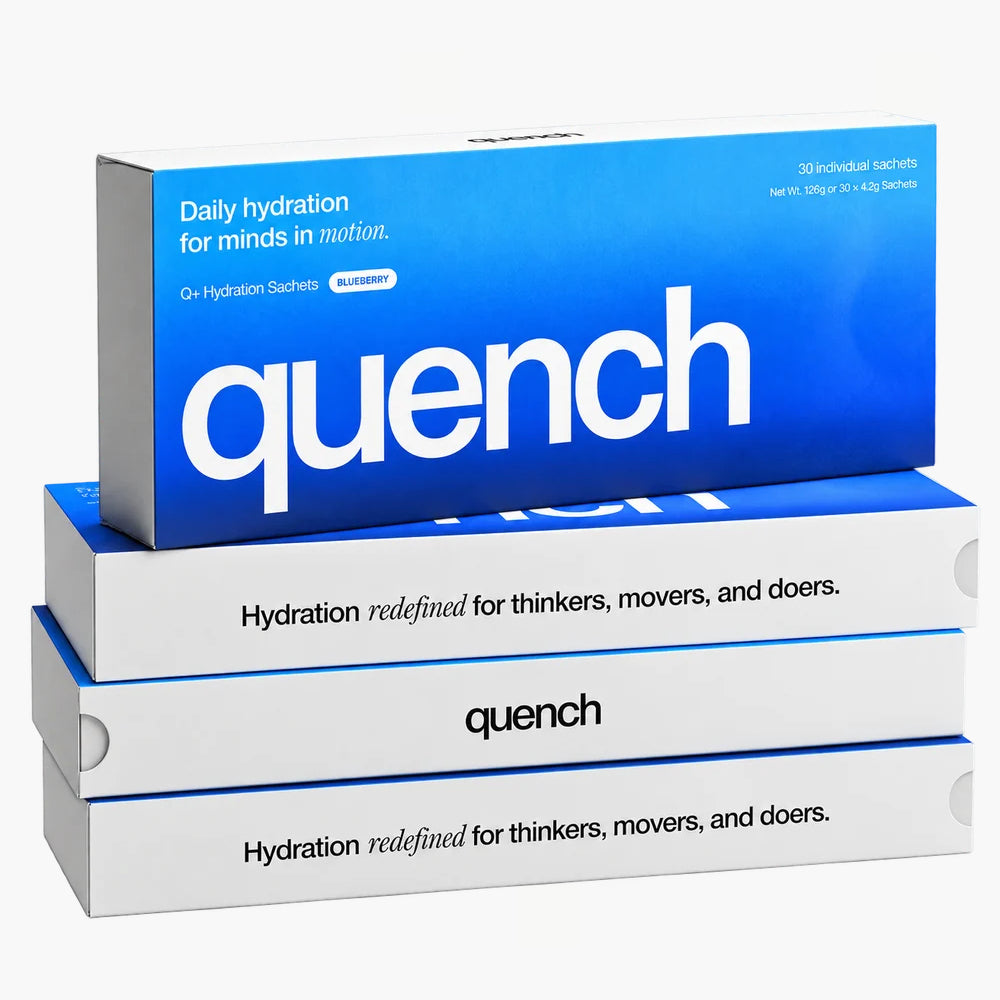
Looking for a simple way to support your daily hydration routine? QUENCH Q+ Daily combines electrolytes with 150 mg of L-theanine and B vitamins in a sugar-free, caffeine-free formula. Simply mix one sachet with 400–600 ml of water.
4. Pay Attention to Recovery
After demanding exercise, replacing fluid and electrolytes can help restore fluid balance.
You can obtain sodium through everyday foods, including bread, cheese and other foods containing salt.
An electrolyte drink may also be useful when food intake is delayed or when larger fluid and electrolyte losses need to be replaced.
The important thing is to consider your overall recovery needs rather than relying on a single product.
Electrolytes and Everyday Hydration
Electrolytes are not just for professional athletes or people running marathons.
They play an important role in everyday body function, from maintaining fluid balance to supporting your muscles, nerves and heart.
For most people, a balanced diet and regular fluid intake provide what is needed.
However, if you exercise frequently, sweat heavily or train for long periods, understanding electrolyte replacement can help you make better hydration decisions.
At QUENCH, we believe good hydration starts with understanding what your body needs. Whether you are heading out for a short run or preparing for a long cycling session, choosing the right hydration strategy can make a difference to how you manage your training.
Frequently Asked Questions
What are electrolytes in simple terms?
Electrolytes are minerals that carry an electrical charge when dissolved in body fluids. They help regulate fluid balance, support muscle contractions and allow your nerves to send signals.
What are the five main electrolytes?
Five important electrolytes are sodium, potassium, magnesium, calcium and chloride. Phosphate and bicarbonate are also important for normal body function.
Why do athletes need electrolytes?
Athletes lose electrolytes through sweat, particularly sodium and chloride. Replacing these minerals can help maintain fluid balance, especially during prolonged exercise, hot weather or sessions involving high sweat losses.
Does drinking water replace electrolytes?
Water replaces fluid but does not provide significant amounts of electrolytes. You can obtain electrolytes through food, and electrolyte drinks or supplements can be useful when additional replacement is needed.
Do electrolytes prevent muscle cramps?
Not necessarily. Exercise-related muscle cramps have several possible causes, including fatigue and unaccustomed exercise intensity. Sodium depletion may contribute to some types of cramps in certain athletes, but electrolyte supplements are not a guaranteed solution.
Can you get enough electrolytes from food?
Yes. Most people can obtain the electrolytes they need through a balanced diet. Foods such as bananas, potatoes, dairy products, nuts, seeds and vegetables provide different minerals.
When should you take electrolytes?
There is no universal requirement to take electrolytes at a particular time. They may be useful during or after prolonged exercise, particularly when sweat losses are high. Your requirements depend on your individual sweat rate, sodium losses and training conditions.
Are electrolytes the same as salt?
No. Salt is one source of electrolytes. Table salt contains sodium and chloride, but other electrolytes include potassium, magnesium and calcium.
Can you have too many electrolytes?
Yes. Excessive intake of certain electrolytes can cause imbalances and affect normal body function. Supplementation should be based on your needs rather than assuming more is always better.
Are sugar-free electrolyte drinks useful?
Yes. Sugar-free electrolyte drinks can provide minerals without adding carbohydrates. They may be useful when you want to replace electrolytes but do not need additional carbohydrate for energy.
References
- MedlinePlus – Fluid and Electrolyte Balance. National Library of Medicine.
- Australian Institute of Sport – Electrolyte Supplement.
- Australian Institute of Sport – Sports Drinks.
- Maughan RJ, Burke LM, Dvorak J, et al. (2018). IOC consensus statement: dietary supplements and the high-performance athlete. British Journal of Sports Medicine, 52, 439–455. https://doi.org/10.1136/bjsports-2018-099027.

Quench Q+ Daily
Everyday hydration, rethought. Q+ Daily combines essential electrolytes with 150 mg of L-Theanine and B vitamins in one convenient, zero-sugar sachet. M...


Keep Learning
Explore all articles
Energy Gels Without Caffeine: A Runner's Guide
Discover how energy gels without caffeine help fuel your runs and endurance training. Learn how they work, how many carbohydrates yo...

Carbohydrate Intake for Endurance Athletes: How Much Do You Need?
Learn how much carbohydrate endurance athletes need to fuel running, cycling and triathlon. Discover daily carbohydrate targets, rec...

Hydration Before a Workout: How Much Water Should You Drink?
Learn how to hydrate before a workout, including how much water to drink, when to start and whether electrolytes are necessary. Get ...

Isotonic Energy Gel vs Regular Energy Gel: What's the Difference?
Isotonic or regular energy gel? What's the difference, and which is best for running, cycling and endurance training? Compare carboh...

Please share your name and email so our team can follow up if you're no longer online.